
Sacromonte in Granada and the sacromontes. Myth and reality
Article Sidebar
Main Article Content
Abstract
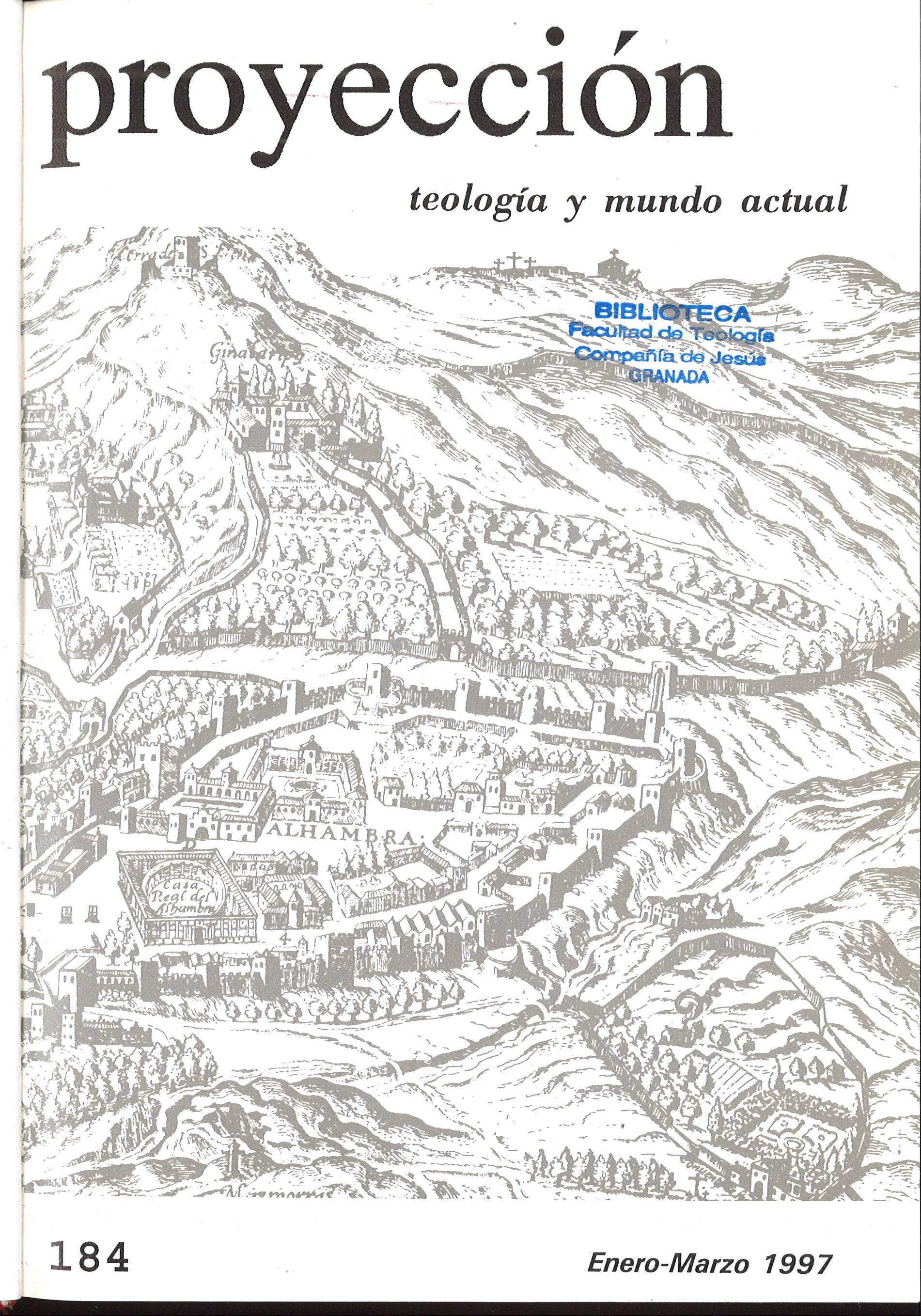
The ‘sacromontes’ are a common feature in various Catholic countries and serve an essentially devotional purpose: to reconstruct, through painted and sculpted representations, scenes from the Passion of Christ, integrated into sacred urban complexes located on hills near cities. The Sacromonte in Granada is different in its conception and artistic-religious scheme, originating in an attempt to reconcile the two cultures inhabiting the city, Muslim and Christian, based on the bones, remains and writings on lead plates found there at the end of the 16th century. These did not serve the purpose conceived by their Moorish inventors, but were used by Christians to defend the antiquity and authenticity of their religious roots.
Downloads
Article Details
Previously, the journal was copyrighted. Now, since 2021, the journal publishes under the Creative Commons license.
Authors who publish in Proyección. Teología y Mundo Actual, accept the following conditions:
Authors retain copyright © and grant the journal the right of publication, under Creative Commons Attribution-NonCommercial-NoDerivativeWorks 4.0 (CC BY-NC-ND) license.
You may copy, use, disseminate, transmit, and publicly display provided that:
* Cite authorship of the work, publication in Proyección. Teología y Mundo Actual, number, year and the pages where the information was found.
* No commercial benefit may be obtained.
* No derivative works may be made for commercial purposes that are not authorized by the journal.
Authors are allowed and encouraged to disseminate the article electronically (Proyección. Teología y Mundo Actual, logo or cover of the journal, pagination, indication of the volume and number of the journal, ISSN, DOI, etc.), in order to favor its circulation and diffusion, and to increase its citation and reach among the academic community.